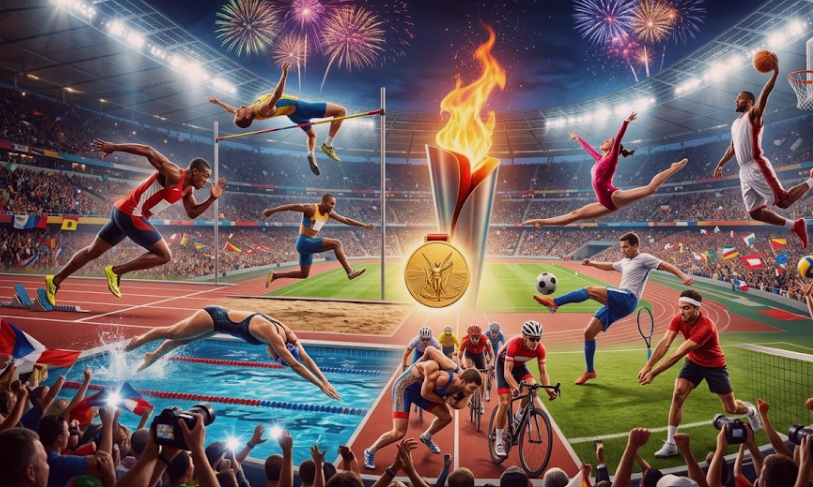

Olympic Sports Explained starts with getting a handle on the Olympic Games, which are, honestly, the largest multi-sport event worldwide. The Olympics gather thousands of athletes from nearly every nation to take part on the world stage. Every four years, the Games pull in the attention of billions of viewers, with uplifting tales, outstanding athletic accomplishments, and moments you remember, even if you try not to. Because of all that, the Olympics continue to be one of the most admired and broadly watched sporting events on the planet.
Still, a lot of newer fans ask how the Olympics work, what sports are on the list, and why some competitions are chosen to be part of the Games. With dozens of sports and hundreds of medal opportunities, learning the Olympic schedule at the start can feel heavy and a bit confusing.
This guide on Olympic Sports Explained breaks down the essentials beginners need, including the history of the Olympics, the difference between Summer and Winter Games, how competitors earn a spot, and which Olympic sports draw the most attention.
What Are the Olympic Games?
The Olympic Games are a big international sporting event where athletes represent their countries and go for gold, silver, and bronze medals, maybe. It is organized by the International Olympic Committee (IOC) and, honestly, it is often seen as the peak of competition in many sports, at least compared to professional leagues.
Unlike those professional leagues, the Olympics bring together athletes from different nations competing under their national flags. It also brings out a feeling of achievement through sportsmanship, plus excellence, fair competition, and even cultural exchange.
In the end, the Games promote International unity, sportsmanship, excellence, fair competition, cultural exchange, and today they are one of the most watched sporting events on Earth, which many people follow worldwide.
A bit of a Brief History about the Olympics
The Olympics started in Ancient Greece around 776 BC, more or less.
Back then, athletes showed up for things like running, wrestling, chariot racing, and boxing. You could see them moving with a kind of fierce energy, even if the rules were a little different.
Then, the modern Olympic Games were reawakened in 1896 by the French educator Pierre de Coubertin. After that, the first modern Olympics took place in Athens, Greece, and there were competitors from 14 countries.
Since those early editions, the Games have stretched; they have really expanded, and now thousands of athletes come from over 200 nations.
Summer Olympics vs Winter Olympics
The Olympics kind of split into two main occasions, and it can feel like it’s always the same calendar, but also not, you know, in a way.
Summer Olympics
The Summer Olympics bring the highest count of sports and athletes.
Common Summer Olympic sports are
- Athletics (Track and Field)
- Swimming
- Gymnastics
- Basketball
- Soccer
- Tennis
- Volleyball
- Wrestling
- Boxing
- Cycling
Usually, the Summer Olympics end up being the most-watched sports moment worldwide.
Winter Olympics
The Winter Olympics concentrate on sports that happen on snow and ice.
Popular Winter Olympic sports include
- Ice Hockey
- Figure Skating
- Alpine Skiing
- Snowboarding
- Speed Skating
- Curling
- Bobsleigh
The Winter Olympics are held two years after each Summer Olympics.
How Often Are the Olympics Held?
The Summer Olympics and the Winter Olympics both happen every four years.
But there’s a timing trick. They alternate, so every two years, fans still get to see Olympic action.
Example:
- Summer Olympics
- Two years later: Winter Olympics
- Two years later: Summer Olympics
That rhythm keeps the Olympic momentum going throughout the year.
How Athletes Get into the Olympics
Not every athlete automatically gets a spot in the Olympic Games, right? It depends. Qualification is driven by a few things, such as international rankings, world championships, and regional tournaments. There are also qualification events, plus each country has its own way of choosing.
Every sport sets up a different qualification structure, and Olympic entries are limited, so even top-level competitors may miss out.
Most Popular Olympic Sports Explained
Some sports seem to bring more people in, and they get talked about in the news a lot. You can feel it, even when the Games are a little chaotic, everyone still watches the same few competitions.
So let’s go through a few of the most popular Olympic events, the ones fans remember and repeat.
Athletics (Track and Field)
Athletics is often seen as the heart of the Olympic Games.
Events commonly cover:
- Running events, such as
- 100m
- 200m
- 400m
- Marathon
- Jumping events, like
Long Jump
- Triple Jump
- High Jump
- Pole Vault
Throwing events, including
- Shot Put
- Discus
- Javelin
- Hammer Throw
Track and field contests frequently create the Olympics’ most memorable scenes.
Swimming
Swimming is another big name, a flagship kind of sport.
Athletes compete in:
- Freestyle
- Backstroke
- Breaststroke
- Butterfly
- Individual Medley
Many Olympic swimmers become widely known because a single Games lets them chase several medals, sometimes again and again.
Gymnastics
Gymnastics blends power, poise, pliancy, and performance value.
Events include:
- Artistic Gymnastics
- Floor Exercise
- Vault
- Uneven Bars
- Balance Beam
- Rings
Rhythmic Gymnastics
Trampoline Gymnastics
Gymnastics remains one of the most-watched Olympic sports.
Basketball
Basketball showed up at the Olympics in 1936, and from there it kept expanding into one of the most well-liked team sports.
The overall tournament setup includes,
- Men’s competition
- Women’s competition
In Olympic competition, lots of NBA stars represent their countries, and it feels like the whole roster comes with extra energy.
If you’re new to basketball, check out our guide What Is the NBA? A Complete Beginner’s Guide to Understanding the world’s top professional basketball league.
Soccer (Football)
Soccer, also called football, is one of the most popular sports worldwide, and it plays an important role in the Olympics.
In the Olympic soccer tournament, you have different categories, like
- Men’s teams
- Women’s teams
Unlike the FIFA World Cup, the men’s teams in the Olympics are generally limited by age rules.
To learn more about the world’s most popular sport, read our guides on Soccer Rules for Beginners and How Soccer Leagues Work Around the World.
Tennis
Olympic tennis lets professional athletes step in for their country, for national pride, you know… and it feels bigger than usual.
Getting Olympic gold is viewed as one of the most impressive accomplishments in the sport.
The event lineup has some separate sections, like
- Singles
- Doubles
- Mixed Doubles
Volleyball
Volleyball shows up in the Olympics in two different ways, and both seem to pull in huge attention worldwide.
Indoor Volleyball
It is played on a usual, traditional court, with the more familiar setup
Beach Volleyball
It is played on sand by teams of two players, with a different rhythm and movement.
Wrestling
Wrestling is among the oldest sports in the Olympic program.
- The Olympics include
- Freestyle Wrestling
- Greco-Roman Wrestling
Competitors go through multiple weight divisions, so the matchups stay balanced.
Boxing
Olympic boxing has helped kickstart many athletes who later became future world champions, sometimes after just a single standout tournament.
The bouts tend to revolve around
- Technique
- Speed
- Precision
- Strategy
Even now, Olympic boxing is intensely contested and widely respected.
Cycling
Cycling has several disciplines, each one a little different in demands.
- Road Cycling
- Track Cycling
- BMX Racing
- Mountain Biking
Each discipline tests another package of athletic skills, power, control, and endurance in different amounts.
New Olympic Sports
The Olympics program evolves, like it always does, over time.
Lately, you might notice a few new ones
- Skateboarding
- Surfing
- Sport Climbing
- Breaking (Breakdancing)
They help pull in younger spectators, and they mirror shifting global tastes, you know.
How Olympic Medals Work
Athletes chase three kinds of medals
- Gold Medal for First Place
- Silver Medal for Second Place
- Bronze Medal for Third Place
Getting that kind of Olympic medal is often seen as the top milestone in an athlete’s life.
The Olympic Opening Ceremony
The Games start with a big Opening Ceremony, very spectacular
Some long-running traditions are
- Parade of Nations
- Olympic Flame
- Athlete Oath
- Cultural performances
The whole event shows what the host country is about, and it greets everyone to the Games, like welcoming the world in.
The Olympic Closing Ceremony
The closing ceremony is basically the finale of the Games, and when it happens, you can feel everything closing in. It has a mix of moments like medal celebrations, athlete gatherings, cultural performances, and then the handover to the next host city.
The Olympic flame is extinguished, officially ending the event, like right there in front of everyone watching.
Why Olympic Sports Explained
Olympics feel unusual because they bring together athletes from many different walks of life, and also sports that often don’t get year-round attention.
The upside is clear, and it shows up in many ways, such as
promoting international friendship, inspiring the next group of athletes, honoring excellence, encouraging people to take part in sports, and creating global memories that stay with you.
For many competitors, just earning a spot at the Olympics is a dream, it can become real.
Olympic Games vs Professional Sports Leagues
Many beginners wonder how the Olympics differ from professional leagues.
| Olympics | Professional Leagues |
|---|---|
| Represent countries | Represent clubs/franchises |
| Held every four years | Annual seasons |
| Multi-sport event | Single sport |
| International competition | Domestic or regional competition |
Interested in how professional sports leagues operate? Explore our guides on UEFA Champions League Explained and What Is the NBA? A Complete Beginner’s Guide.
Frequently Asked Questions
What is the most popular Olympic sport?
Athletics plus swimming are usually thought of as the most popular Olympic sports all around the world.
How many sports are in the Olympics?
The total shifts a little between each edition, but the Summer Olympics normally include more than thirty sports.
Who organizes the Olympics?
The International Olympic Committee (IOC) handles the overall coordination.
Why are the Olympics held every four years?
The four-year rhythm keeps the tradition going and gives athletes enough time to prepare.
What is the difference between the Summer and Winter Olympics?
The Summer Olympics highlight warm-weather disciplines, while the Winter Olympics concentrate on snow and ice contests.
Final Thoughts
Understanding Olympic Sports Explained helps fans appreciate the astonishing range of events that make the Olympic Games so special. From track and field plus swimming, to basketball, soccer, gymnastics, and even winter sports, the Olympics bring together the strongest athletes from across the globe, competing at the top tier.
Whether you’re watching for national pride, personal bests, or those moments you remember later, the Olympic Games give something for every sports follower. And as the event keeps adapting and welcomes fresh disciplines, it remains among the most encouraging and widely admired competitions in world sports.